Olmsted County Parks and Trails Newsletter - Fall
Volume 12, Issue 3
In this issue
Meet our new zoo residents, learn about remote camping, and is the Jackalope real?
Canoe in camping
By: Celeste Lewis
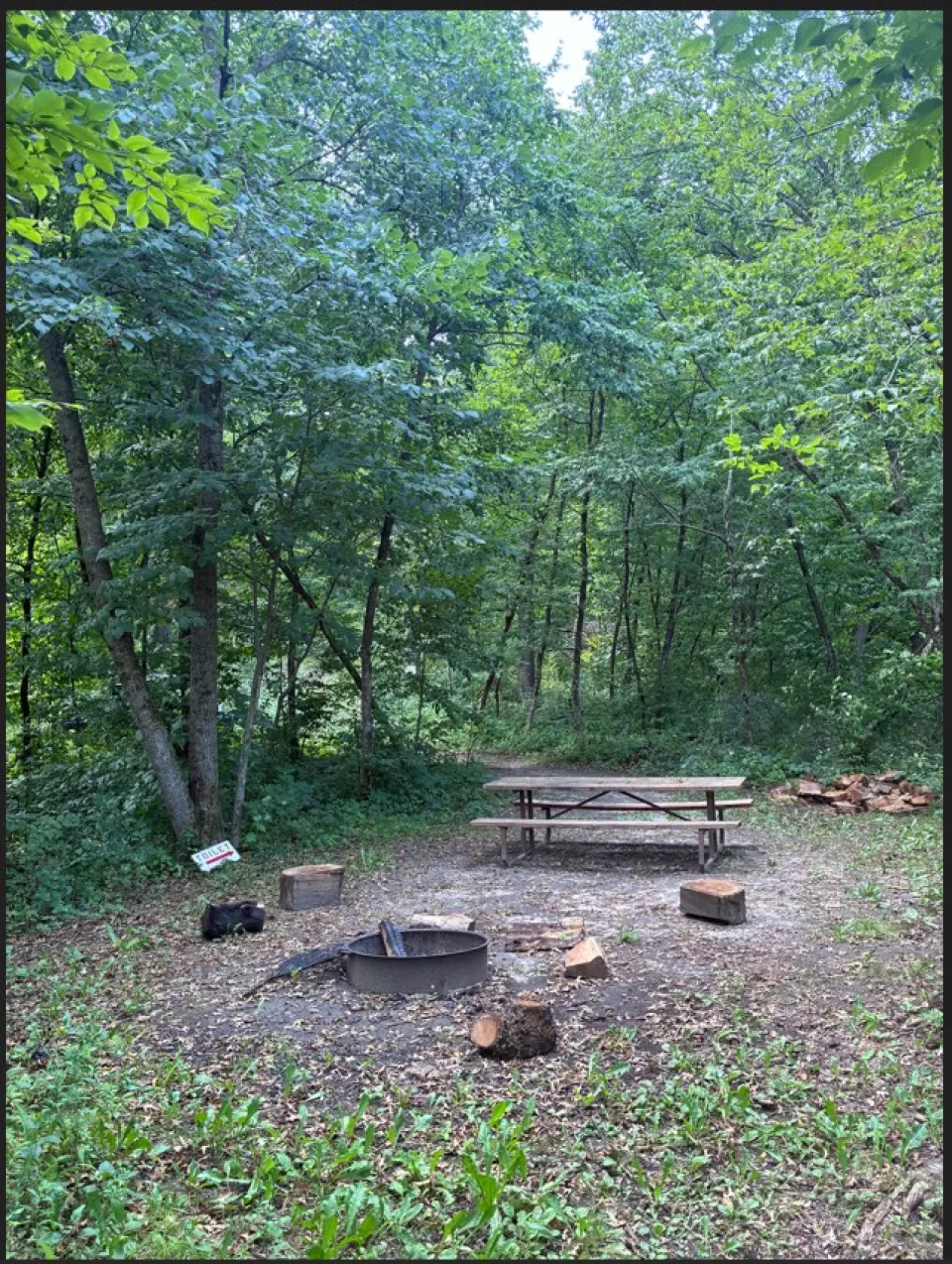
Do you enjoy back woods camping pitching a tent in a remote site with no electricity and nothing but stars to keep you up at night? If so, you may be excited to learn that Chester Woods Park has two remote canoe-in camp sites available to book.
Beaver Point and Mallard Point are located on the southeast peninsula of the park. Each site has a mulched area for a tent, a picnic table, fire ring and a box toilet. These sites are completely pack-in and pack-out. Firewood can be purchased from the woodshed at the parks traditional campground and brought with, or using any dead downed wood in the area is permissible, however no cutting of any live trees or branches is allowed. The sites are both available for $35/night and are reservable online.
The fee includes the use of a canoe if needed. More information about these sites (as well as the traditional campground) and the link to the reservation site can be found at www.olmstedcounty.gov/residents/parks-recreation/recreation/camping.
From the Brink to the Branches: The Chester Woods Bluebird Success Story
By: Loretta Morgan, FOCW
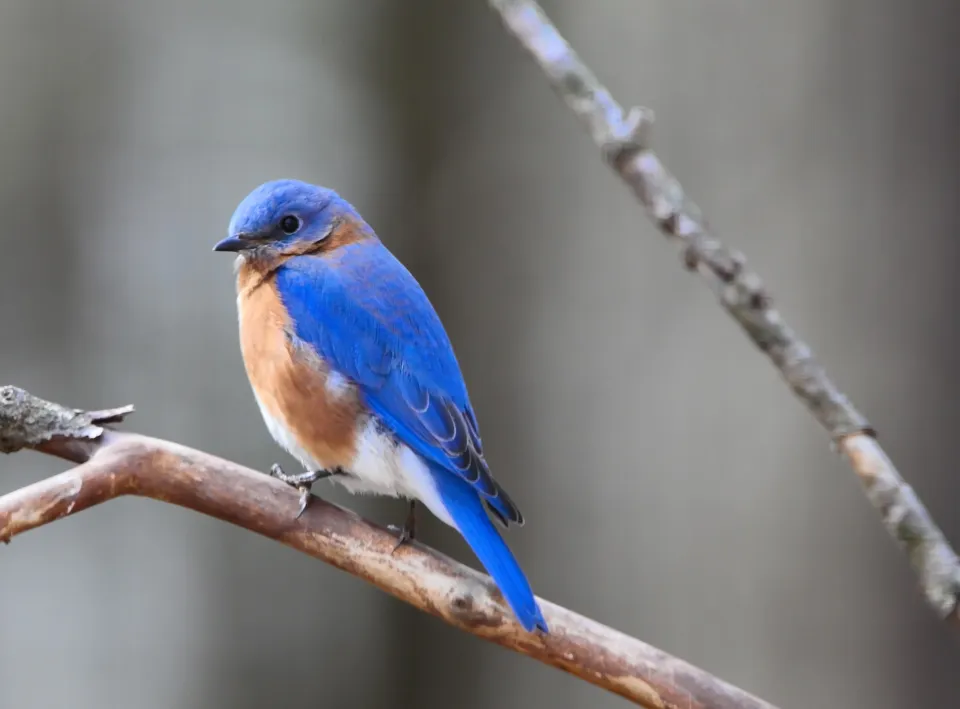
Did you know that one of North America’s most beloved songbirds almost vanished forever? This beautiful bird is considered a major conservation success story because human intervention rescued the species from a devastating population crash. In the 1970s the Eastern Bluebird went from being one of North America’s most common songbirds to the brink of extinction. Success through massive, continent-wide grass-roots citizen science movements provided the bluebird numbers to drastically recovered.
The recovery program began in 1978 when the North American Bluebird Society (NABS) was founded. Due to volunteers designing birdhouses featuring specific dimensions, the establishment of “bluebird trails” and the ban on DDT, their population bounced back rapidly once the birds had safe places to nest and breed. Today, they are climbing back to around 23 million birds.
Established in 2003, the Chester Woods bluebird program has coordinated 20 dedicated volunteer monitors who manage 40 nesting boxes at Chester Woods and 20 boxes at Root River Park. The team gathers each spring to plan the upcoming season, occasionally hosting educational speakers from the Bluebird Program of Minnesota, formerly known as the Bluebird Recovery Program, which provides vital training resources and regional support networks. As active members of this state organization, the volunteers contribute all local nesting data to its central databank. This collaborative conservation work directly supports local breeding success. In southeast Minnesota, bluebirds typically raise one or two broods, optimal climate conditions featuring warm springs and cooler summers have allowed them to successfully raise up to three broods in a single season. Bluebird monitoring requires a weekly commitment to ensure the safety and success of these beautiful birds. When checking a nest box, monitors approach carefully to avoid disturbing the nesting female, her eggs, or her hatchlings. A gentle tap on the box alerts any adult birds inside before the door is opened. Monitors then peek inside to count the eggs or hatchlings, checking their growth progress while remaining vigilant for threats like buffalo gnats, wasps, and predators. Once the young birds successfully fledge, monitors perform essential housekeeping by cleaning out the old material so the adults can build a fresh nest for their next brood. This vital work tracks both bluebirds and tree swallows, with all data recorded in a document to monitor fledgling numbers for a final end-of-season report. The next time you explore the trails at Chester Woods or Root River Park, keep your eyes open for a flash of brilliant blue, as you are looking at a living conservation miracle!
Myth, legend or misnomer
By: Celeste Lewis
Have you ever heard of the legendary Jackalope? This is a large rabbit with antlers. There have been many stories written about this crazy creature, but how on earth did this mythical creature become so “real?”
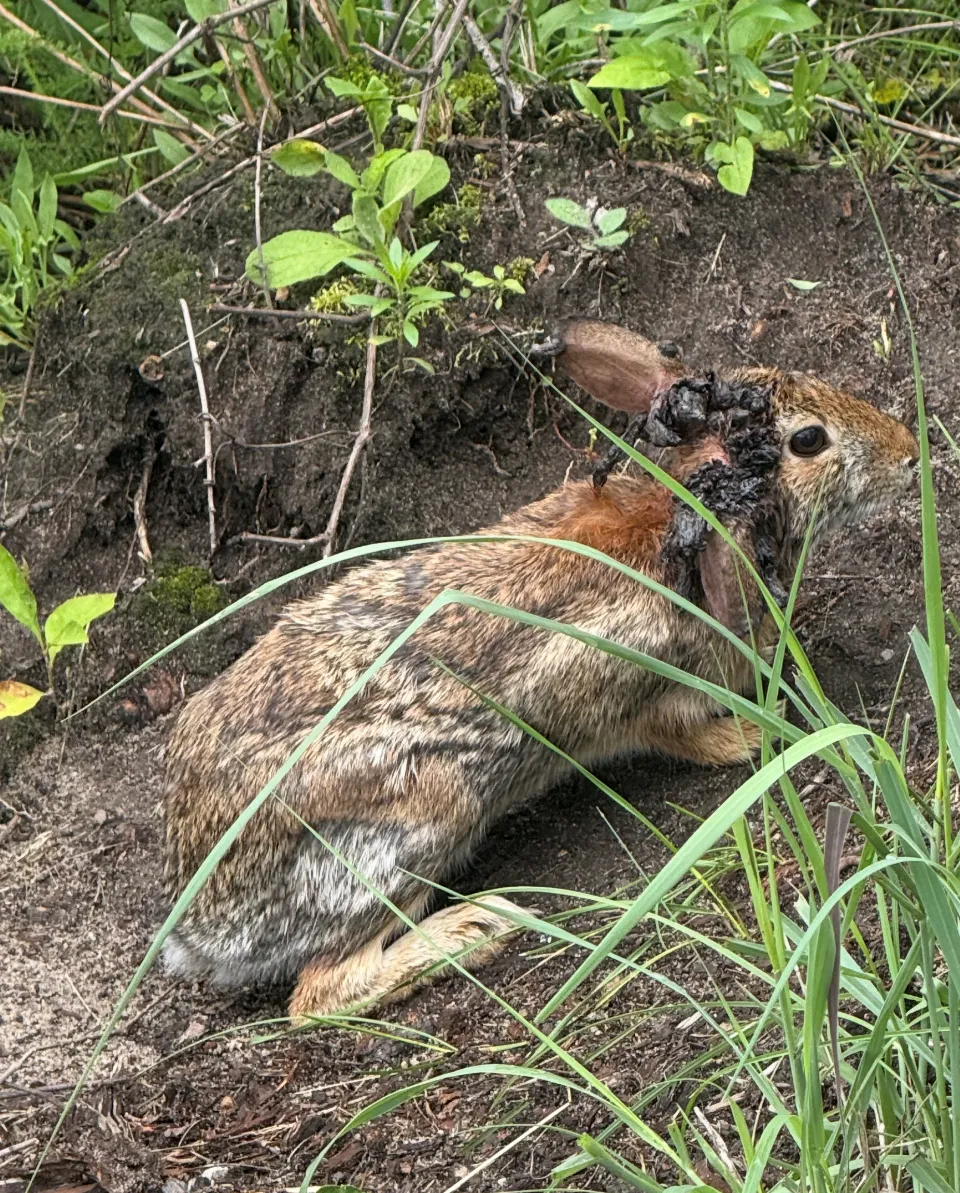
One theory (and it seems to be a pretty good one) is the Shope Papilloma Virus (SPV), otherwise known as cottontail rabbit papilloma virus. This is a viral disease that causes dark, wart-like growths or tumors on a rabbit’s head, neck, and abdomen. These lesions or tumors can sometimes resemble horns. These growths can become large enough to interfere with the hosts’ ability to eat, causing starvation.
The virus was first noted in the 1930’s by hunters in the Midwest, but stories and illustrations of horned rabbits appear in scientific treatises dating all the way back to 1655. SPV typically is transmitted through direct contact between healthy and infected rabbits. This can occur when a rabbit encounters the viral particles present in the infected rabbits skin tumors or bodily fluids. SPV CANNOT be transmitted to humans.
So next time you are outside and see a cottontail with “horns” you are now more aware of what is going on. This is a very common virus and one that has been around for a very long time.
Zoo animal updates
By: Clarissa Schrooten
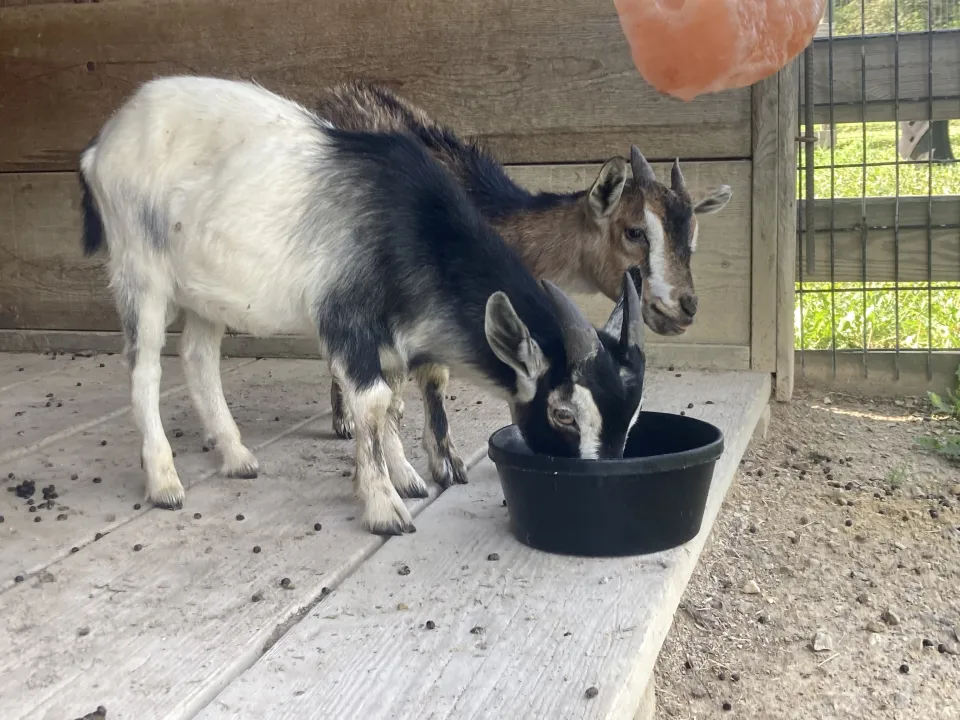
Oxbow Park and Zollman Zoo has had a few changes to the animals in the zoo. The zoo is lucky to work with other animal facilities to make these changes.
The first update is the two young goats. These goats are five months old and are brother and sister. The two were born and raised at Red Barn Learning Farm located east of Hayfield. Zollman Zoo is happy to work with a local facility that raises happy and healthy animals.
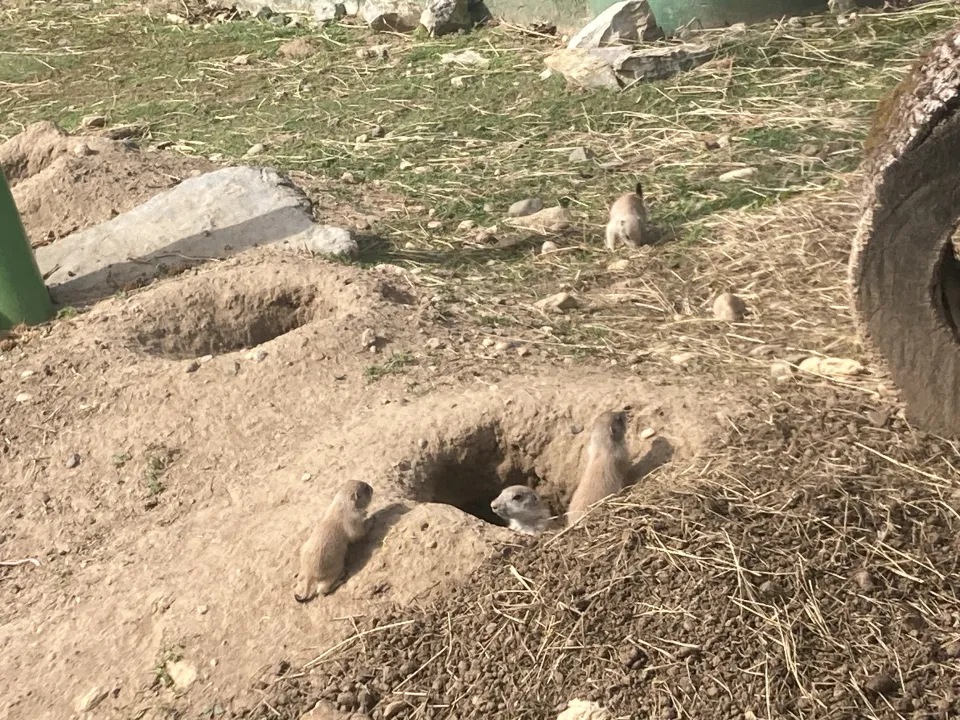
The second change may be a little harder to notice at the zoo. The black-tailed prairie dogs had a very successful year raising young and added at least 15 new residents to the exhibit. We are glad the prairie dogs are thriving so well in the habitat, but there isn’t enough space for all of these prairie dogs. Zollman Zoo is lucky to have alliances with other zoos here in Minnesota. We worked with Pine Grove Zoo in Little Falls, MN to find a new home for some of our young prairie dogs. Again, we are happy to work with another facility who takes good care of their animals.
We hope you get a chance to visit the zoo this summer to visit the new goats, the prairie dogs and all the other animals.
FOX update
By: Rebecca Houston
Friends of Oxbow had an excellent spring selling merch at the We are Water exhibit events and the Nature Art and Craft Show, both hosted by Oxbow Park.
Check out our Facebook page for dates we will sell merch this summer.
Mark your calendars! Treasure Trek will return on September 26, 2026, with one- and two-mile loops! Bring a friend or the whole family and enjoy the trails at Oxbow Park.