
September 2026 Newsletter (Volume 12, Issue 9)
September 2026 Newsletter (Volume 12, Issue 9)
Headlines are provided below. Click to read each story in the newsletter.

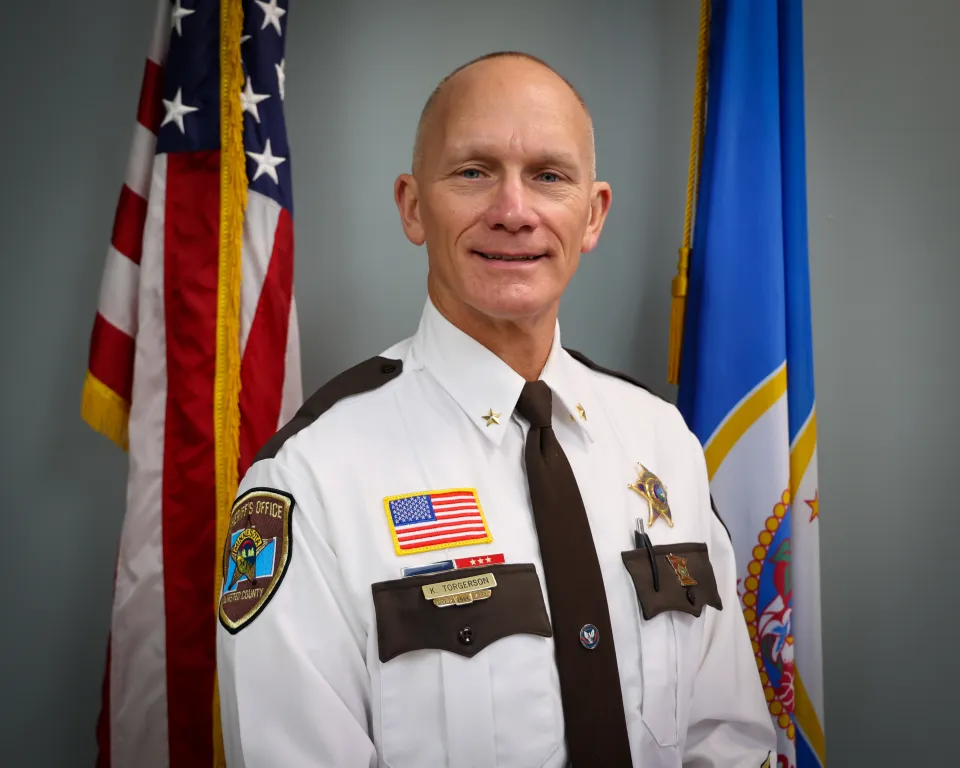
Note from Sheriff Torgerson
Welcome to September 2026!
As you can see from the detailed article authored by Captain Jon Jacobson, our Olmsted County Director of Emergency Management, we had quite a training opportunity for first responders, school districts, and others across Olmsted County in August. An exercise like this brings all the disciplines together in hopes that we never need to practice the overriding fear of an active shooter in our communities. Knock on wood! But bringing together of the school personnel and other caregivers was an added effort that was years in the making. This type of training makes all of us more capable of success in the future. As we say, plan for the worst, but work for the best! Always. Thank you to all our community partners!
Heads up, all—Kids are back to school now and over the next week. Let’s be careful out there at crosswalks, bus stops and near our schools. Everyone wants a safe and healthy school year, and it starts on day one, and takes all of us!
And lastly, thank you for joining us again at all the events this past summer at town festivals, Safe City Nights, the Olmsted County Fair and Night to Unite. Personally, I couldn’t be prouder of our community and all who welcome and support our efforts to keep our community as safe as possible.
Have a great fall!
Olmsted County and City of Rochester Emergency Management Conduct the Largest Active Threat Full-Scale Exercise in Minnesota's History
Captain Jon Jacobson
Conducting the largest active threat full-scale exercise in the state is a complex undertaking that requires extensive planning, broad interagency collaboration, and careful attention to realism, safety, and after-action assessment. As active threat incidents continue to evolve in sophistication, public and private sector leaders need to recognize the value of large-scale exercises that stress-test capabilities, reveal gaps, and strengthen operational readiness across all responding agencies. Designing and implementing such an exercise is not simply a training event; it is an organized effort to improve resilience and ensure that first responders, schools, medical facilities, and all the supporting organizations are prepared to act decisively when lives are at risk.
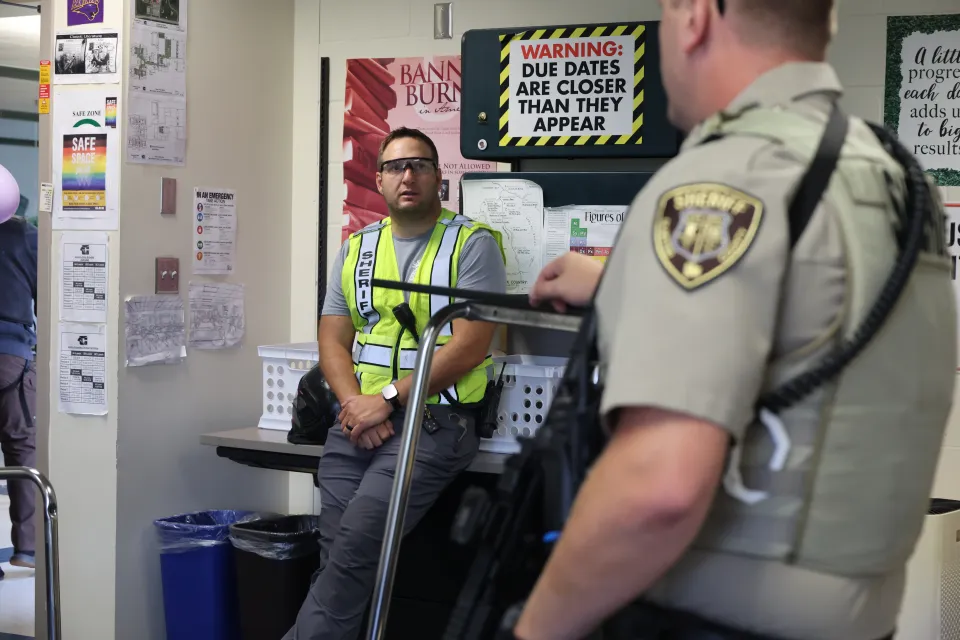
There were many organizations involved in the planning and execution of this exercise, including the following organizations and agencies: Rochester Public Schools, Olmsted County Public Schools, Rochester private schools, Olmsted County Sheriff’s Office, Rochester Police Department, Rochester Fire Department, Mayo Clinic, Olmsted Medical Center, Southern Minnesota Regional Medical Examiners’ Office, Olmsted County Public Health, Olmsted County and City of Rochester Communications teams, Salt and Light Chaplains, Minnesota Homeland Security, and Emergency Management. In addition to the planners, hundreds of participants from these organizations played or filled actor roles to make the exercise as realistic as possible.
The foundation of a successful exercise begins with establishing clear objectives. While the overall goal is to enhance preparedness for an active threat, specific goals include testing multi-agency communication, evaluating unified command operations, assessing mass-casualty response capabilities, and validating evacuation and reunification procedures are also an integral part over overall preparation. Defining these objectives early ensures that every component supports meaningful learning outcomes. Because large-scale exercises involve dozens of agencies and hundreds of participants, objectives must be both ambitious and achievable, creating a framework for coordinated planning.
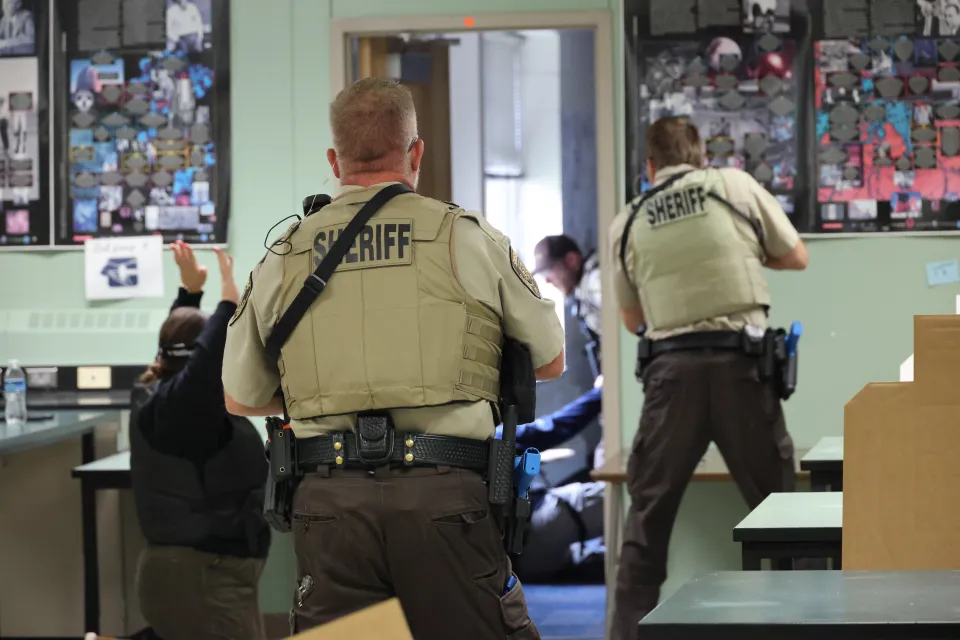
Collaboration is the centerpiece of a full-scale exercise of this magnitude. Law enforcement, fire, EMS, emergency management, hospitals, dispatch centers, and school partners often converge in a single event. Effective coordination begins months in advance with planning meetings that bring these stakeholders together to clarify roles, discuss expectations, and identify operational constraints. These discussions help unify terminology, reinforce Incident Command System (ICS) structure, and ensure that all participants understand the scenario environment. In large exercises, misunderstandings can create confusion, diminish training value, or even lead to safety issues. Early collaboration prevents these pitfalls and builds trust among partners.
Equally important is constructing a realistic and challenging scenario. For the largest active threat exercise in the state, planners designed a scenario that stretched operational capabilities without compromising safety. This involved simulated play at multiple locations, where we tested response protocols for what would happen after the immediacy of a threat concludes. In addition to the active threat exercise that garnered a full response from law enforcement and fire professionals, the schools set up and operated a Family Reunification Center, Public Health and the Medical Examiners’ Office (and other partners) set up and operated a Family Assistance Center. Simultaneously, a fully functioning Emergency Operations Center was also operated during the exercise, including a Joint Information Center. There were many moving parts to this exercise and safety was at the forefront of our minds for role players and participants at all sites. With the safety protocols put in place, we were able to allow the exercise to evolve as organically as possible, giving participants the opportunity to make mistakes and learn from them in a safe and supportive environment.
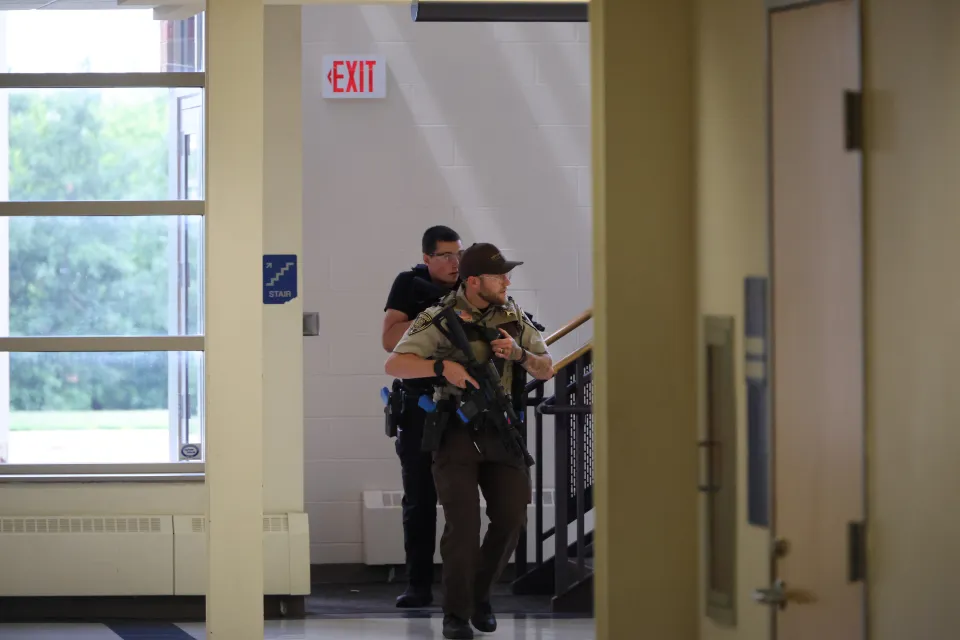
Maintaining strong incident command in any event, including training, is essential. Large-scale events provide a valuable opportunity to assess how unified command functions under stress. Participating agencies must synchronize their decision-making, share intelligence quickly, and assign responsibilities clearly within the incident command structure. The exercise allowed staff to practice coordinating tactical operations, medical triage, internal and external security, evacuations, and public information dissemination, all while responding to evolving conditions. Observers and evaluators positioned throughout the venues documented communication patterns, command effectiveness, and response coordination to inform the post-exercise analysis.
After-action review is where the true value of any exercise emerges. Following the event, agencies gather to discuss what worked well, what gaps emerged, and what improvements are needed. These conversations must be candid but constructive, focusing on operational gaps rather than individual performance. Key topics often include radio interoperability, clarity of command roles, timing of tactical movements, EMS triage accuracy, patient transport coordination, and support for families or victims. The resulting after-action report provides a roadmap for enhancing preparedness. An after-action review identifies training needs, policy changes, equipment upgrades, or future exercises to address persistent vulnerabilities.
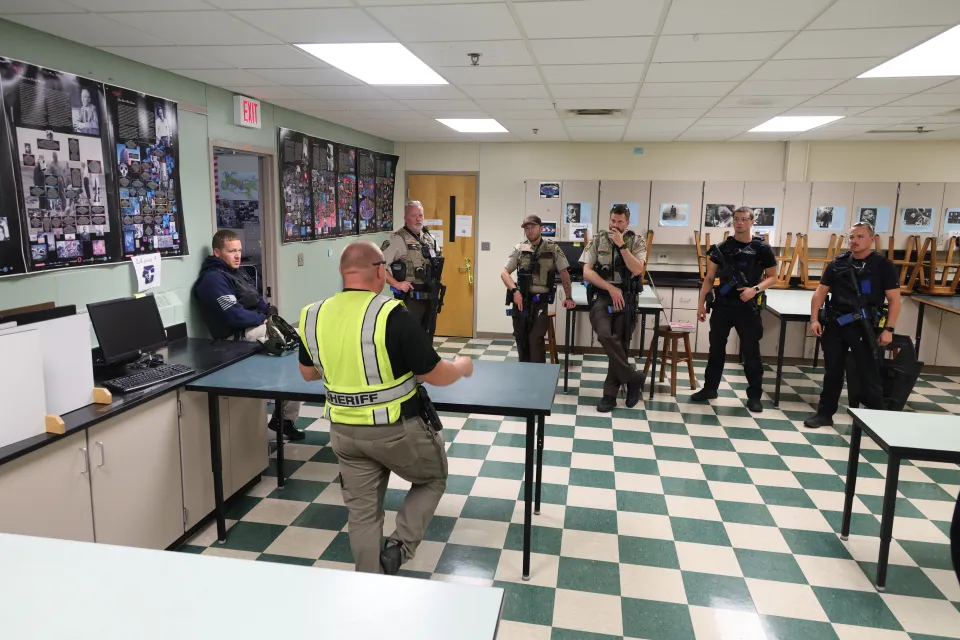
Conducting an exercise of this magnitude strengthens community confidence. While the public may not witness every detail, they benefit from improved coordination among their emergency responders. Agencies that train together build shared experience and stronger relationships, directly enhancing their ability to work together during real crises. Moreover, full-scale exercises demonstrate a commitment to continuous improvement and public safety. Ultimately, an exercise like this is a major investment of time, personnel, and resources, but its value cannot be overstated. By bringing together diverse agencies, challenging them with a complex scenario, and analyzing their performance, such an exercise strengthens operational readiness and increases the likelihood of a successful response when lives are on the line.
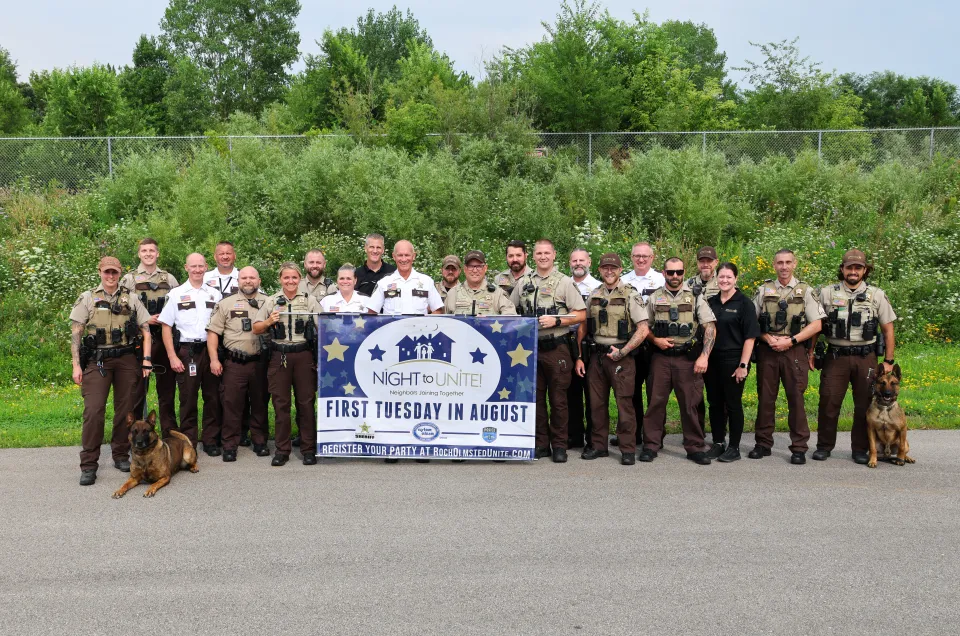
Thank you for participating in Night to Unite 2026!
We enjoyed stopping by 21 parties throughout the County this year and hope you all enjoyed it as much as we did!
Thank you to everyone who participated, especially our amazing party hosts and our generous sponsor, Custom Alarm. See you next year for Night to Unite on Tuesday, August 3, 2027.
Dates of Interest
September 1
Elmira Township Meeting
High Forest Township Meeting
Olmsted County Board Meeting
September 2
Salem Township Meeting
September 3
Dover City Council Meeting
Quincy Township Meeting
Rochester Township Meeting
September 7
Pleasant Grove Township Meeting
September 8
Byron City Council Meeting
Marion Township Meeting
New Haven Township Meeting
Stewartville City Council Meeting
September 9
Eyota Township Meeting
Rochester City Council Meeting
September 10
Eyota City Council Meeting
September 14
Cascade Township Meeting
Chatfield City Council Meeting
Orion Township Meeting
Oronoco Township Meeting
Rock Dell Township Meeting
September 15
Farmington Township Meeting
Olmsted County Board Meeting
Oronoco City Council Meeting
Pine Island City Council Meeting
September 16
Haverhill Township Meeting
Olmsted County Township Association Meeting
September 21
Kalmar Township Meeting
Rochester City Council Meeting
September 22
Stewartville City Council Meeting
September 24
Eyota City Council Meeting
Chatfield City Council Meeting
September 28
Dover Township Meeting
Viola Township Meeting
Senior Administration
Sheriff
Kevin Torgerson
Chief Deputy - LEC
James Schueller
Captains
Jon Jacobson
Kelly Lee
Ryan Mangan
Tim Parkin
Chris Wallace
Director - ADC
Samantha Reps
Captains
David Adams
Andy Danielson
Luke Wrubel