Food scrap composting
Thank you to all who participated in the initial composting pilot project. We are excited to share that our department intends to transition the pilot into a permanent program. Our goal is to make food scrap composting more accessible while continuing to provide a reliable and effective service.
Goals for 2026:
- Upgrade the existing compost bins to better track drop-off participation.
- Add additional drop-off locations in the community.
- Remove the fee for designated BPI certified compostable bags.
- Note: An annual maintenance fee may apply. However, this has not yet been determined.
Details will be updated to this page as they are finalized.
In the meantime:
Our existing drop-off bin at the Olmsted County Hazardous Waste Facility will continue to accept food scraps from registered participants. Those in need of additional BPI certified compostable bags should email reducewaste@olmstedcounty.gov. Compostable bags can also be picked up in-person at the Olmsted County Environmental Resources Department office (2122 Campus Drive SE, Suite 200 Rochester, MN 55904).
The Hazardous Waste Facility is located at 305 Energy Parkway NE, Rochester, MN 55906 and is open Tuesday - Saturday 8 a.m. - 4:30 p.m. (except for holiday closings).
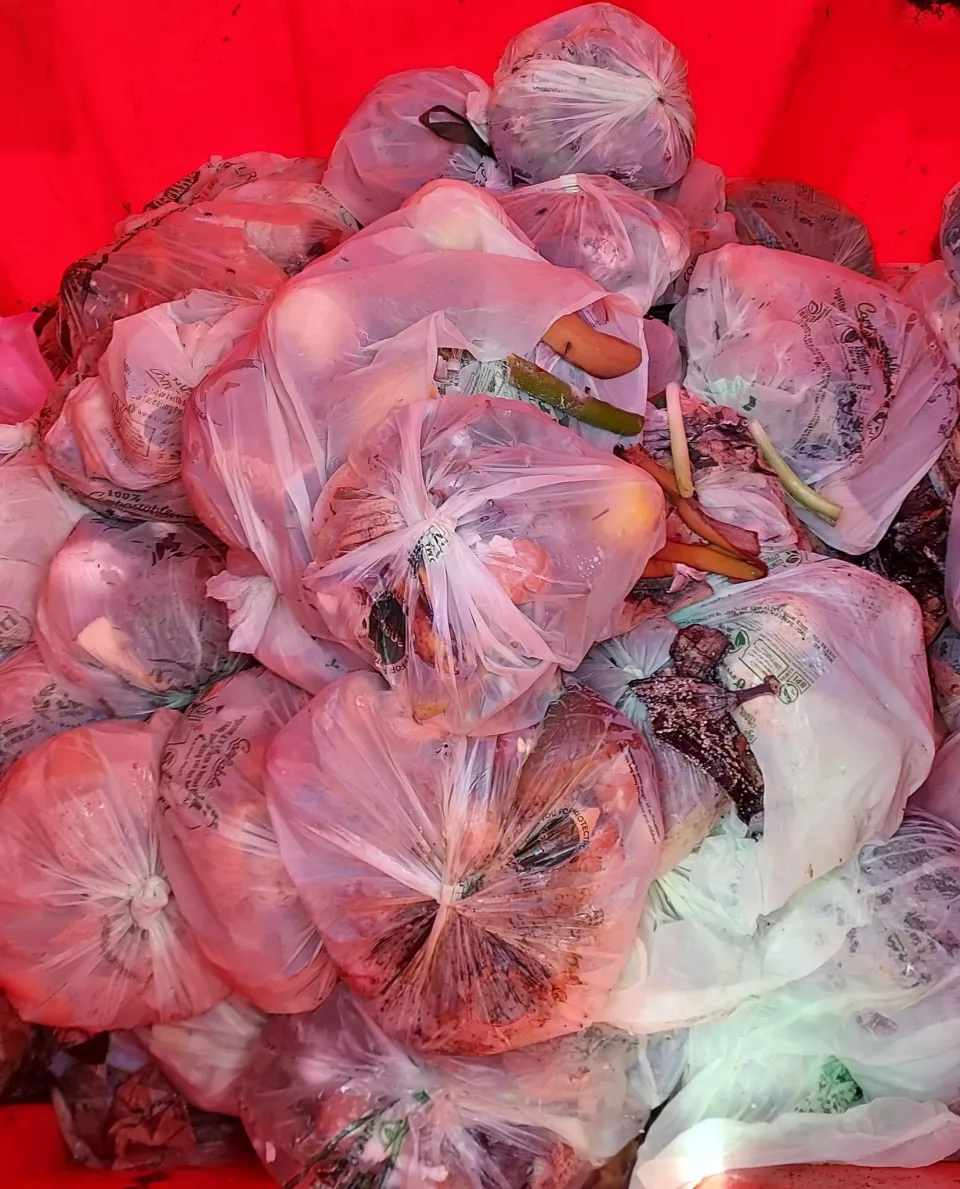
Acceptable items
Fruits
Vegetables
Meat and fish
Dairy products
Eggs and eggshells
Pasta, beans, and rice
Bread and cereal
Nuts and shells
Coffee grounds
Not accepted
Grease
Oil
Gum
Bones
Produce stickers
Glass or plastic
Waste
Pet or animal waste
Collection tips
Use a container: Reuse a coffee can, ice cream bucket, or popcorn tin and line with your bag and collect food scraps. Using a container with an airtight lid reduces odor.
Keep it cool: Storing your food scraps in the fridge or freezer will reduce smell and remind you to collect food scraps while cooking.
Drop off weekly: Compostable bags are made to break down, storing organics in them for more than a week can cause the bag to break and spill.
How to reduce your food waste at home
Store your fruit and veggies correctly.
Learn tips and tricks about food storage to make your produce last longer and maintain peak freshness.
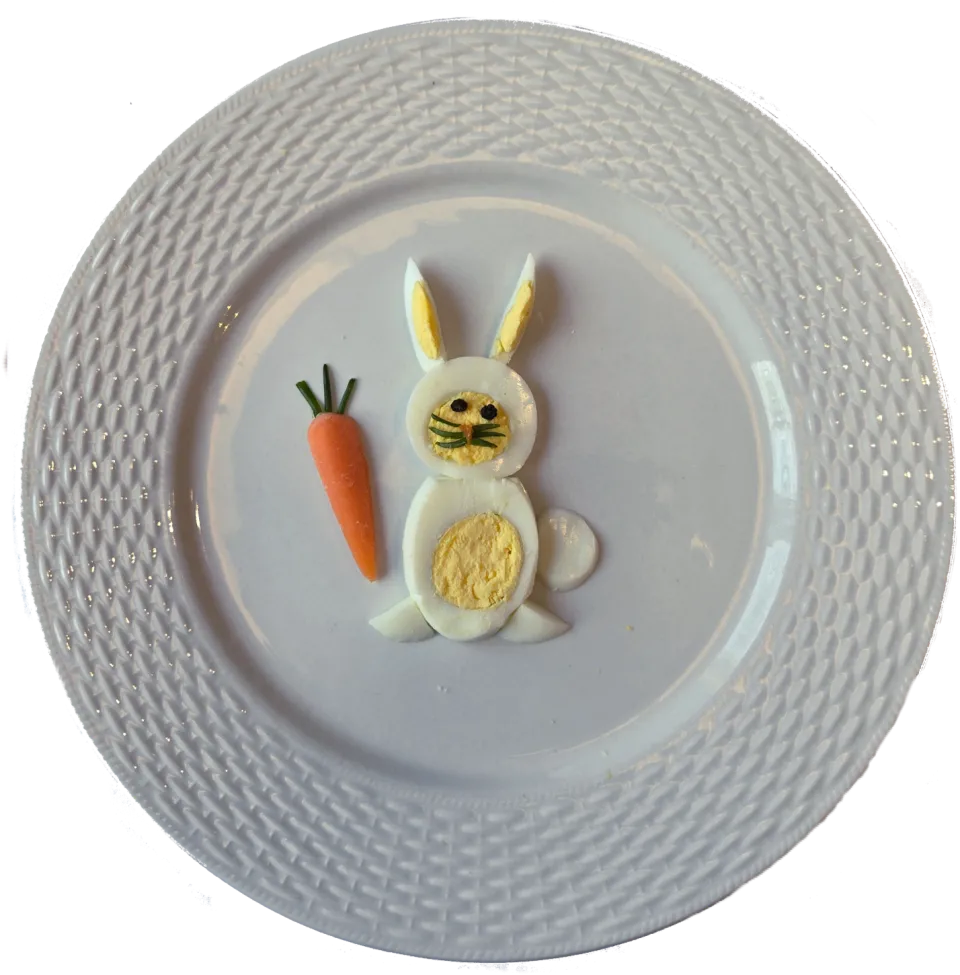
Use up old produce.
Make an omelet, salad, smoothie or soup with any vegetables or fruit you have that is getting old.
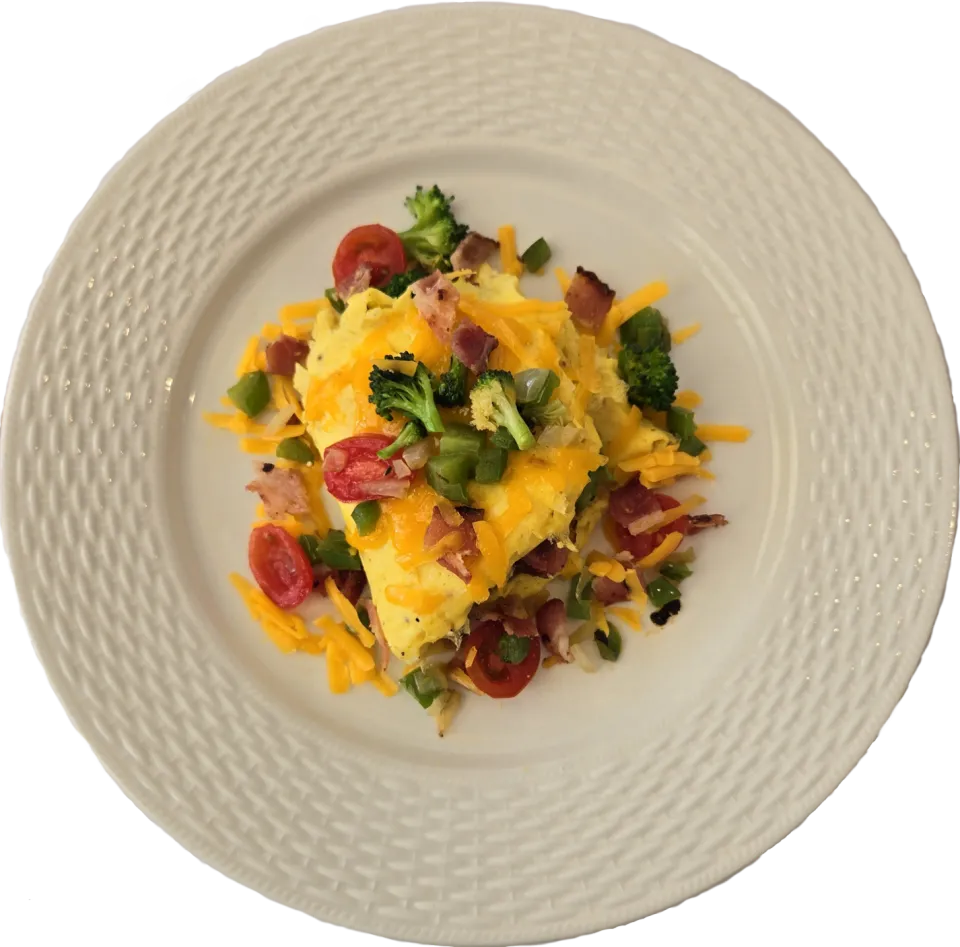
Learn about “best buy” dates.
Understand these dates are typically suggestions for peak quality and are not related to food safety.
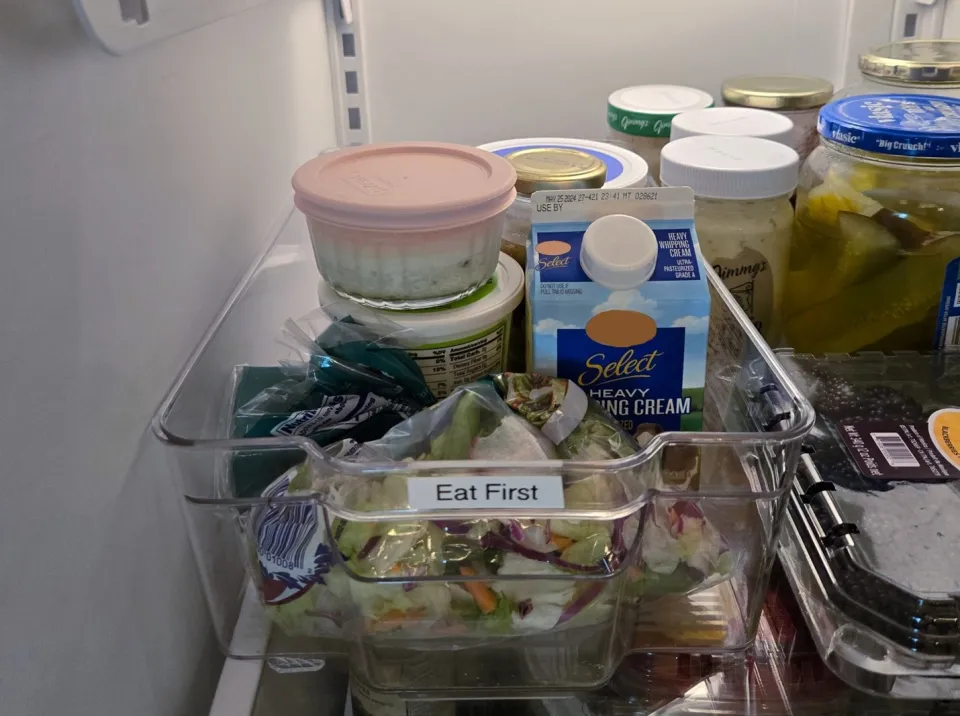
Put a bucket or bin in your fridge and pantry to “eat first.”
Doing this reminds you to use up the foods you already have before they go to waste.
Meal plan and shop smart.
Look at your “Use First” basket and meal plan around these ingredients, then make a list and stick to it in the store. Websites like SuperCook and Foodcombo let you input what ingredients you have available at home and find recipes to try.
Use up food scraps
Save vegetable scraps and trimmings to make veggie stock or find recipes that use edible but commonly discarded scraps.

Other great resources