Community partners unite for active threat training exercise at Century High School
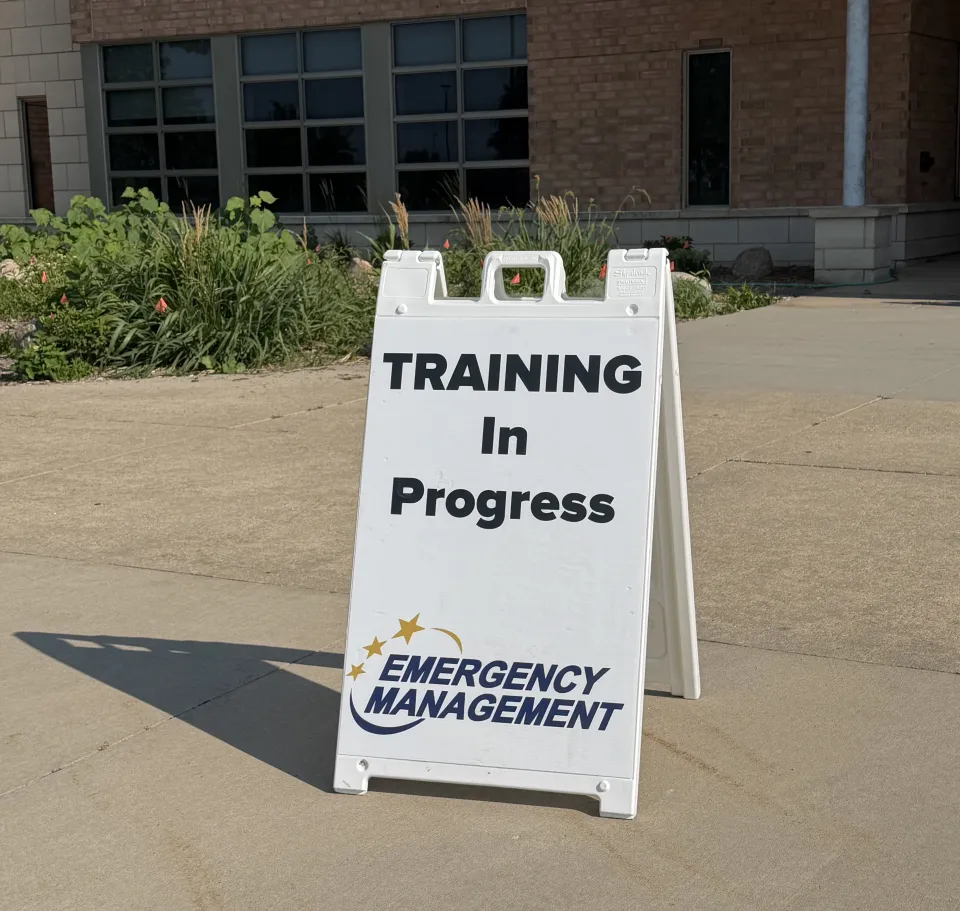
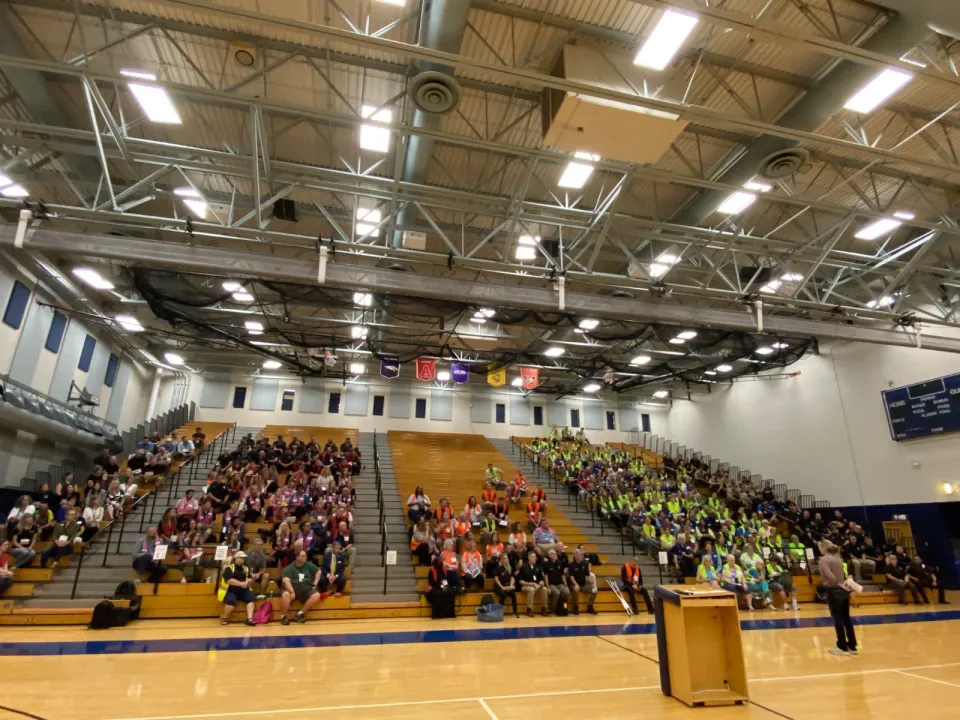
Olmsted County and its local partners successfully concluded an active threat training exercise at Century High School on August 3, 2026. The event transformed the campus into a dynamic training ground, giving agencies a valuable opportunity to strengthen coordination and practice responding together during rapidly evolving situations.
“This exercise gave us a chance to come together in a realistic environment and make sure our emergency plans work the way we expect them to,” said Olmsted County Public Health Services Emergency Preparedness Coordinator Kaitlin Anderson. “It’s always valuable to learn alongside our partners and find ways to improve.”
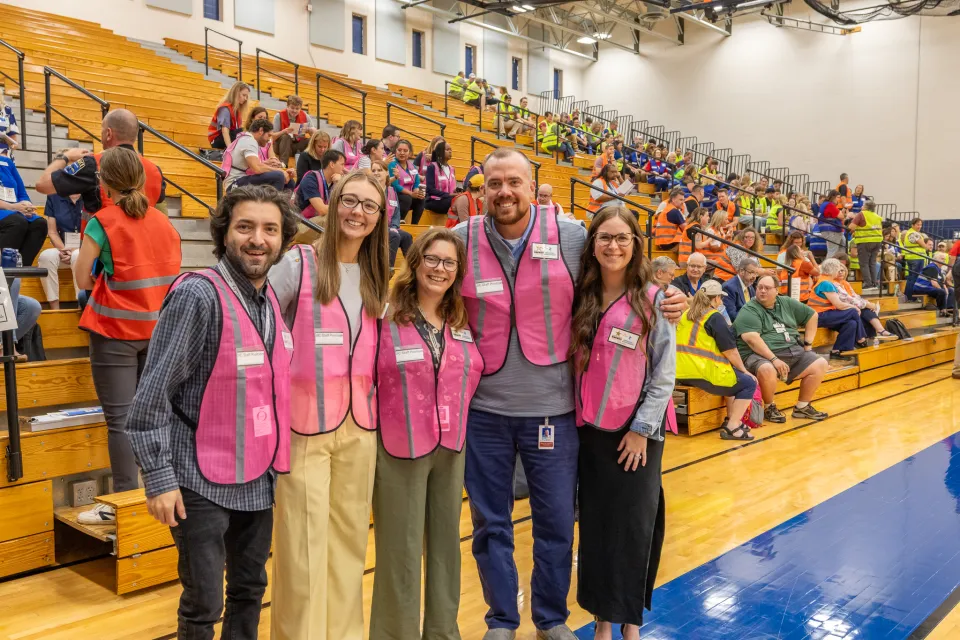
The training involved a wide network of community partners, including the City of Rochester, Rochester Police Department, Rochester Fire Department, Mayo Clinic Ambulance, and Rochester Public Schools. In addition to on‑scene response activities, the exercise activated several essential support functions, including the Emergency Operations Center (EOC), Joint Information Center (JIC), Family Assistance Center (FAC) processes, and Family Reunification Center (FRC). Practicing these elements ensures that communication, resource coordination, and family support services operate smoothly during real emergencies.
“We appreciate the strong collaboration across all participating agencies,” said Director of Olmsted County Emergency Management, Captain Jon Jacobson. “Exercises like this help ensure we’re prepared to respond quickly and effectively if real emergencies occur.”
“Communication plays a critical role in keeping everyone informed during an emergency,” said Olmsted County Policy, Analysis, and Communications (PAC) Communications Specialist, Darian Ness. “Working in the JIC during this exercise helped us strengthen the systems and teamwork needed to coordinate messages across multiple agencies.”
Although the primary exercise occurred on August 3, some follow‑up activities continued on August 4. These focused on refining communication workflows and completing evaluation components in a low‑impact, controlled setting.
Beyond enhancing operational response, the drill served as a meaningful learning experience for everyone involved. It helped agencies evaluate existing plans, identify areas for improvement, and continue building strong partnerships that support community safety.