
Election security: How absentee ballots are safely opened and counted
Every ballot cast in Olmsted County goes through a carefully designed process to ensure it is counted accurately while protecting voter privacy. Long before Election Day, trained election officials follow strict procedures that include multiple verification steps, bipartisan oversight, and routine testing of voting equipment.
Ballot opening begins before Election Day
Beginning 18 days before Election Day, bipartisan teams of trained Absentee Ballot Board members and election judges begin processing accepted absentee ballots that have been returned by mail or in person.
Before any ballot envelope is opened, the ballot board sorts and counts the accepted signature envelopes. This total is verified against the official ballot board records to ensure every accepted ballot is accounted for.
Once those counts match, ballot board members open the signature envelopes and remove the sealed ballot envelopes. The ballot envelopes are counted again and verified against the number of accepted signature envelopes before the voted ballots are removed.
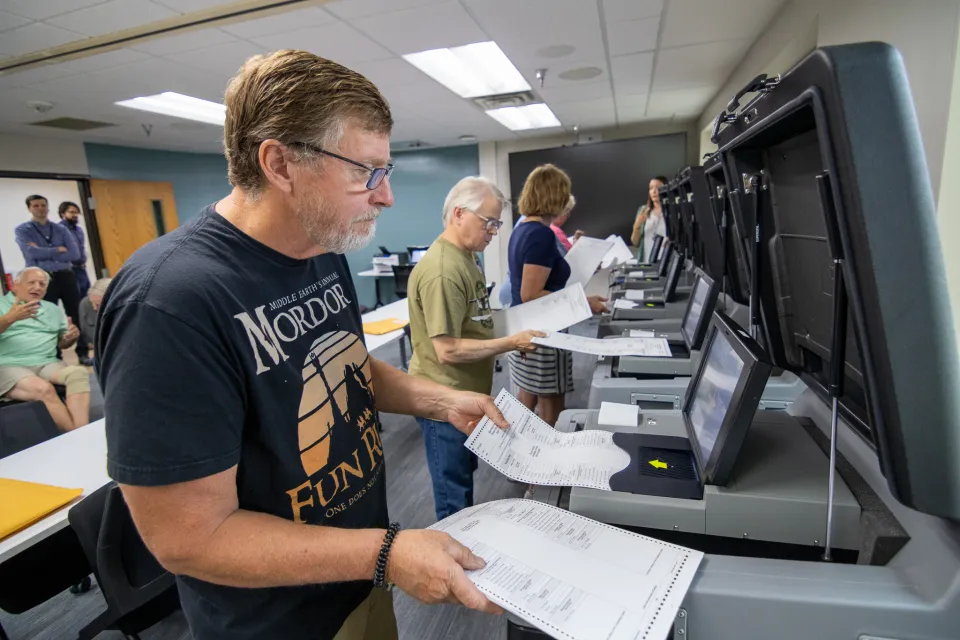
After the ballots are removed, ballot board members perform another count verification. Ballots processed through the central count system are then scanned, and a report is generated to confirm the number of ballots scanned matches the number of accepted signature envelopes.
At every stage, multiple count checks help maintain accuracy and accountability. If any discrepancy is identified, processing pauses while election officials review and document the issue before continuing.
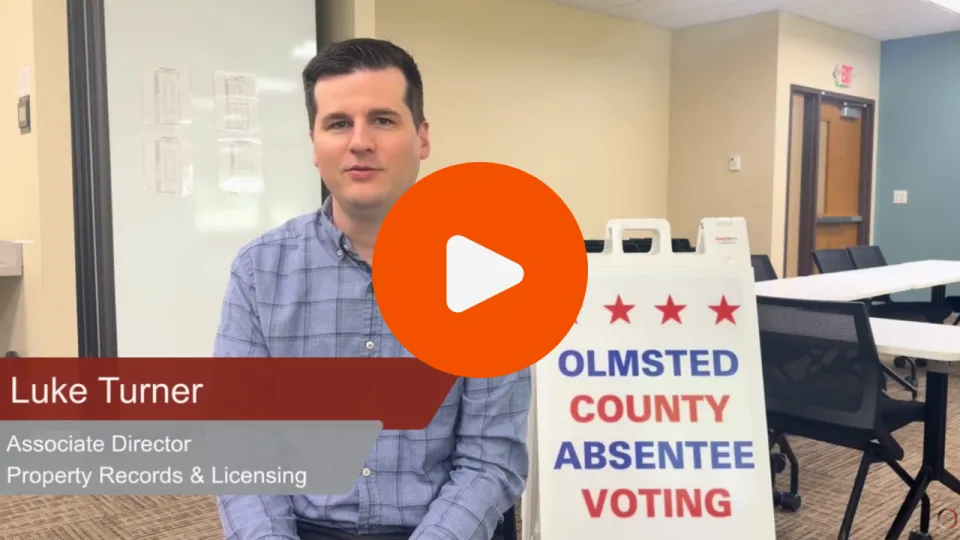
See the absentee ballot opening process in action by watching our Absentee voting video. It walks through each step Olmsted County elections takes to verify counts, protect voter privacy, and ensure every accepted ballot is processed accurately.
Secure handling of early voting ballots
For voters who cast their ballot in person during the early voting period, security procedures continue after each day of voting.
At the close of business each day, election officials remove voted ballots from the ballot tabulator and place them into sealed ballot containers. Each seal is documented and initialed using procedures similar to those used on Election Day.
Election officials also complete a daily reconciliation process by comparing the number of ballots cast with the number of recorded early voters. Any differences must be reviewed and documented before the process is complete.
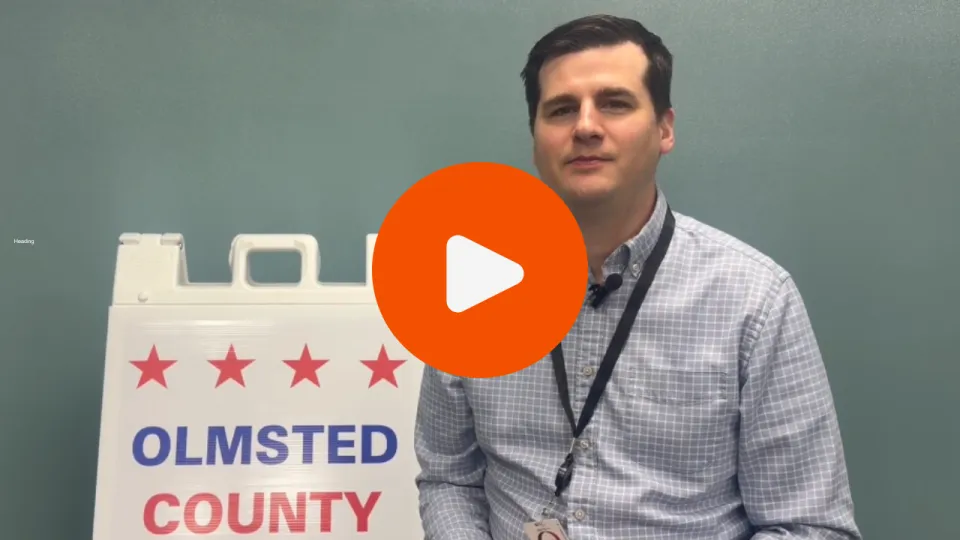
Learn more about voting before Election Day by watching our Early voting video. The video explains who can vote early, where to vote, what to expect during the process, and how ballots cast during early voting are securely handled until Election Day.
Voting equipment is tested before use
Before any voting system is used for early voting or Election Day, Olmsted County Elections staff conduct extensive preliminary testing to verify that voting equipment accurately records and tabulates every vote.
Staff create test ballot decks with unique voting patterns covering every race and candidate on the ballot. Each test ballot is processed through the voting equipment, and the results are reviewed to confirm every selection is recorded with 100% accuracy.
For the August 2026 State Primary, election staff will cast and verify 58,520 test votes as part of this testing process.
In addition, a public accuracy test is conducted before voting begins. This test uses a representative sample of precincts to ensure every contest on the ballot is verified. Members of the public and media are invited to observe the process and see firsthand that the voting equipment accurately records and tabulates ballots.
Built on transparency and accountability
Election security is not based on a single safeguard. Instead, it relies on layers of security that include bipartisan teams of election judges, documented procedures, repeated count verifications, secure ballot handling, publicly tested voting equipment, and thorough reconciliation processes.
These safeguards help ensure every eligible ballot is counted accurately while protecting the integrity of the election and the privacy of every voter.