Keeping children safe during National Lead Poisoning Prevention Week
National Lead Poisoning Prevention Week is an opportunity to remind families that even small amounts of lead can harm a child’s health. Lead exposure continues to affect many communities in Minnesota. Early testing remains one of the most effective ways to keep children safe.
Why lead testing matters
Lead is a powerful toxin. Even at low levels, it can delay growth, lower IQ, and damage the brain and nervous system. Children may develop hearing or speech problems, behavioral challenges, or learning difficulties, often without showing obvious symptoms. Because these signs can be subtle or appear later in life, a blood lead test is the best way to know whether a child has been exposed.
“Lead exposure often has no obvious symptoms, so testing is the best way to catch problems early,” said Lourdes Valdez, M.D., pediatrician at Mayo Clinic. “That’s why it’s so important that every child is tested. It gives families peace of mind and allows opportunities to intervene quickly if elevated levels are found.”
When children should be tested
Children under age six are especially vulnerable. During the toddler years (around 12-24 months) they begin crawling, walking, and exploring, increasing the chances of encountering lead in their environment. Health experts recommend blood lead testing once at about age one and again at age two. Families of children under age six who have not yet been tested should contact their healthcare provider to request a test.
“Early detection is one of the most effective tools we have to protect children from the health impacts of lead exposure,” said Olmsted County Public Health Services (OCPHS) Healthy Children and Families Manager Kristina Collins. “Blood lead testing helps ensure children who have been exposed receive the follow-up care and support they need to thrive.”
How testing works
In Olmsted County, blood lead testing can be offered during routine well-child visits. Providers may use either a quick capillary test (a finger poke) or a venous test (a small blood draw). If results show elevated lead levels, a follow‑up venous test may be needed to confirm the results. Healthcare providers can help interpret findings and guide families through any next steps.
“Caregivers can expect a simple and supportive process when their child is tested for lead,” Dr. Valdez said. “We will walk through the steps to help them understand how the test is done, share what their results mean, and talk about what follow-up, if any, is needed.”
Where lead may be found
Lead can be present in many everyday environments. In Minnesota, up to one in three homes may contain lead hazards. Some common sources include:
- Paint in homes built before 1978.
- Drinking water or soil, particularly near highways or airports.
- Certain toys, cosmetics, or imported food products.
- Jobs or hobbies that involve lead, such as welding, shooting firearms, or making pottery, which can carry lead dust into the home.
Parents are encouraged to stay aware of the age and condition of their home and understand potential environmental risks. They should also keep an eye on any activities that may introduce lead dust into the living space.
“Lead hazards are often hidden in places families may not think to look,” said OCPHS Environmental Lab Manager Lauri Clements. “Understanding where lead may be present is an important first step in reducing exposure and creating a safer environment for children.”
How families can reduce exposure
Simple everyday actions can help lower a child’s risk of encountering lead. Families can:
- Do not scrape, sand, or otherwise disrupt paint in homes built before 1978, since it could release lead dust or chips.
- Run water for 30 seconds if a tap hasn’t been used for several hours.
- Use cold water for cooking and drinking.
- Keep work clothing and footwear outside the home if exposed to lead.
- Clean floors, windowsills, and surfaces regularly with soap and water.
Olmsted County Public Health Services offers additional support, including water testing, resource guidance, and help identifying potential lead hazards in the home.
Local family home visiting nurses can also connect families with tools and information to reduce lead exposure.
Taking action this week
National Lead Poisoning Prevention Week is a reminder that protecting children from lead begins with awareness and early testing. By partnering with healthcare providers and local public health resources, families can take meaningful steps to keep their homes and their children safe.
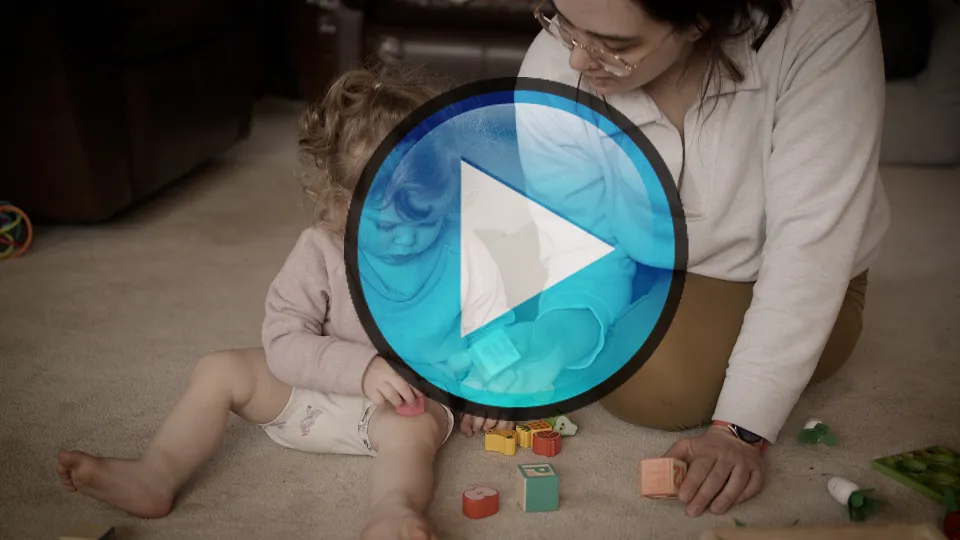
Check out this video!
Watch our video, Protecting your child - the importance of blood lead testing, to learn more about the importance of testing and asking healthcare providers about screening children.